
One of the hardest lessons I have learned on my healing journey is that love and access are not the same thing.
For many years, I believed that being a good daughter meant maintaining a relationship with my parents no matter how painful that relationship felt. I carried guilt, obligation, and a deep sense of responsibility for everyone else’s feelings while ignoring my own.
Eventually, I reached a point where I could no longer deny the impact my childhood experiences were having on my emotional well-being. The wounds I carried were affecting my relationships, my self-worth, and my ability to feel safe and at peace.
I was always on guard.
The first boundary I set was with my father.
Choosing low contact and eventually no contact was not an act of punishment. It was an act of self-preservation. It was a decision that came after years of trying, hoping, explaining, forgiving, and attempting to create a healthier dynamic.
When my father was on his deathbed, my mother tried to make me feel guilty and ashamed for the boundaries I had established. In that moment, I was reminded of how deeply conditioned many of us are to believe that protecting ourselves is somehow selfish.
But boundaries are not cruelty.
Boundaries are information.
They communicate what we need in order to remain emotionally, mentally, and spiritually healthy.
After my father’s death, another layer of healing began to reveal itself.
For the first time, I started exploring what many therapists refer to as the “mother wound” —the pain that comes from unmet emotional needs, invalidation, criticism, emotional neglect, or unhealthy patterns passed down through generations.
This was a difficult truth for me to acknowledge.
I tried to have honest conversations with my mother about my experiences. I wanted understanding. I wanted accountability. I wanted healing.
Instead, I was met with denial, defensiveness, and gaslighting.
So I stepped away.
Not because I hated her.
Not because I wanted revenge.
But because healing sometimes requires distance from the very environments that continue to reopen old wounds.
What surprised me most during this process was what happened next.
As I examined my childhood, I also began examining myself.
I started recognizing ways that I had unconsciously repeated some of my mother’s patterns in my own parenting. That realization was painful. It would have been easier to focus solely on what had been done to me.
Instead, I chose accountability.
I wrote letters to my children acknowledging my mistakes, my blind spots, and the ways I may have caused pain. I did not write those letters expecting forgiveness. I wrote them because truth matters.
Not long after, 3 of my 4 children chose to go no contact with me.
If I’m honest, it broke my heart.
They maintain a relationship with my mother. They visit her. They celebrate her. They buy her Mother’s Day gifts.
For a long time, I felt hurt, angry, rejected, and confused.
I wanted them to understand my perspective.
I wanted them to see my growth.
I wanted acknowledgment.
But healing has taught me something profound:
People have the right to set the boundaries they need, even when those boundaries hurt us.
Just as I needed distance from my parents to find peace, my children may need distance from me to find theirs.
Every week for more than two years, I have sent my children simple text messages.
No demands.
No guilt.
No pressure.
No expectation of a response.
Just a reminder that I am thinking of them and hoping they are well.
Most of the time, there is silence.
No replies.
No holiday messages.
No acknowledgment of gifts.
No thank you.
And while that silence still carries sadness, it no longer carries resentment.
Because healing has shown me that love is not control.
Love is allowing people their own journey.
Love is respecting boundaries, even when we wish things were different.
Love is continuing to do our own work regardless of whether anyone notices.
Today, I understand that healing childhood wounds is not about proving who was right or wrong.
It is about breaking cycles.
It is about developing self-awareness.
It is about taking responsibility for our own behavior while releasing responsibility for the choices of others.
Most importantly, it is about creating a life rooted in peace rather than pain.
I do not know what the future holds with my children.
I hope one day there will be conversations, understanding, and perhaps even reconciliation.
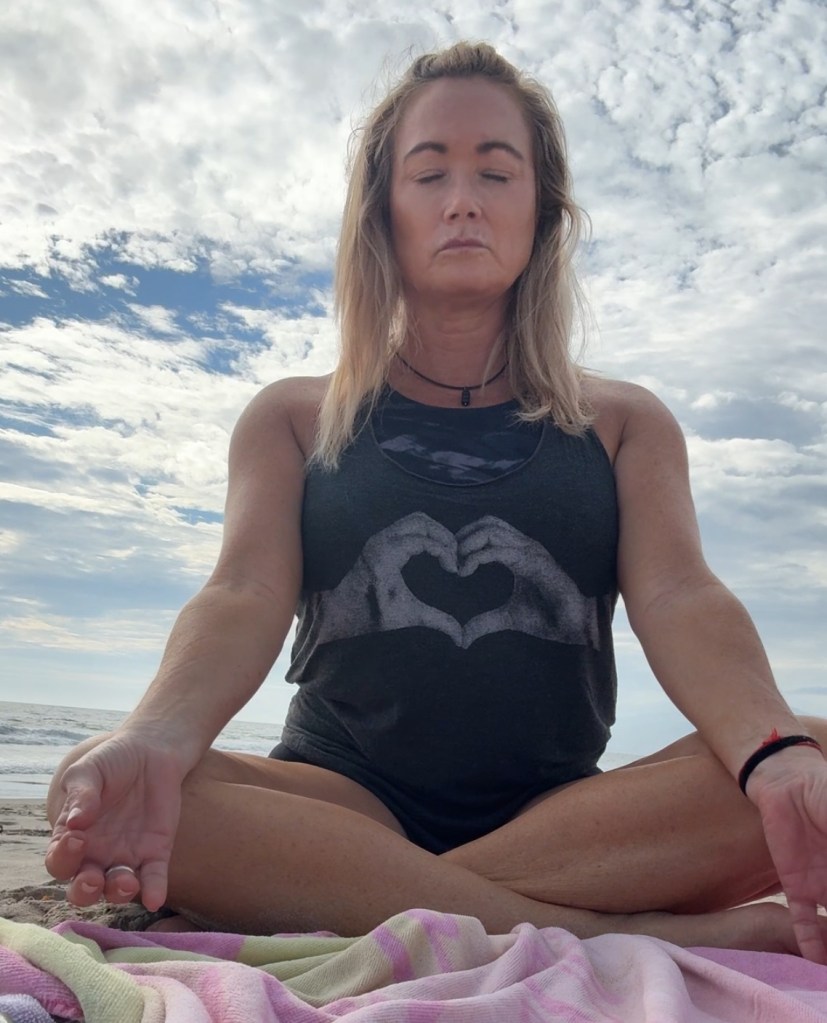
But I no longer place my healing on hold while waiting for that day to come.
Instead, I continue doing the work.
I continue looking inward.
I continue becoming the person I wish I had known when I was younger.
And perhaps that is the deepest healing of all: learning to offer ourselves the compassion, understanding, and unconditional love that we once searched for from others.


Published by